

The Electric Watercraft Forum will launch the first industry-focused event in Camden, Maine USA, October 22 & 23, 2026 with the following initiatives:
Education
An education series with presentations from boatbuilders, manufacturers, and industry leaders. Stakeholders will exchange ideas and explore the potential for collaboration.
Exhibition
Exhibits from leading global electric propulsion technology designers and manufacturers displaying the latest innovations and creating connections for expanded US distribution.
Experience
Sea trials and a display of the latest electric boats and products available providing the profound experience of electric boating.
The Electric Watercraft Forum is an inaugural marine industry event focused on the technical, logistical, and business details of Maine-built electric boat projects. Its mission is to build community, create conversation, and help to secure Maine’s position as a leader in the emerging electric watercraft sector.
By providing opportunities for education, exhibition, networking, and collaboration we can realize a more sustainable future for boating while creating cleaner waterways, well-compensated skilled jobs, and economic development.
Case Studies &
Keynote Address
CASE STUDY – WATTSON
Thursday, October 22, 1 PM
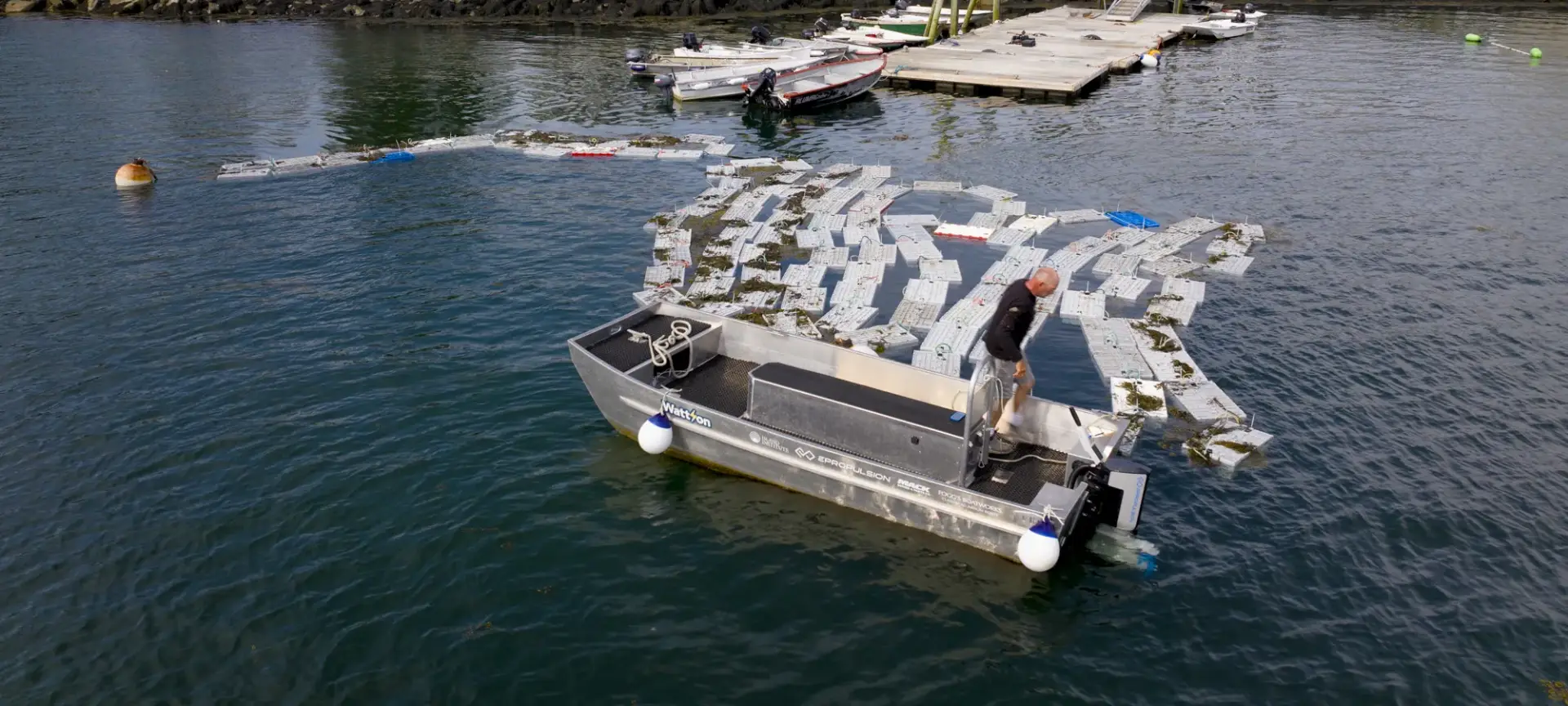
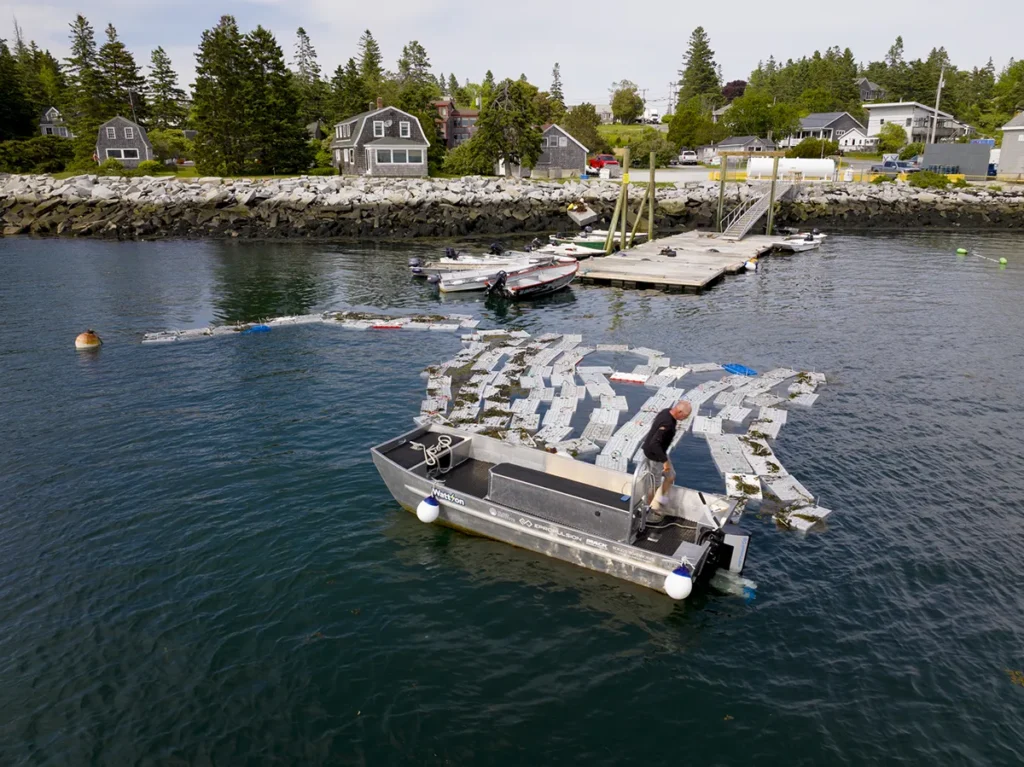
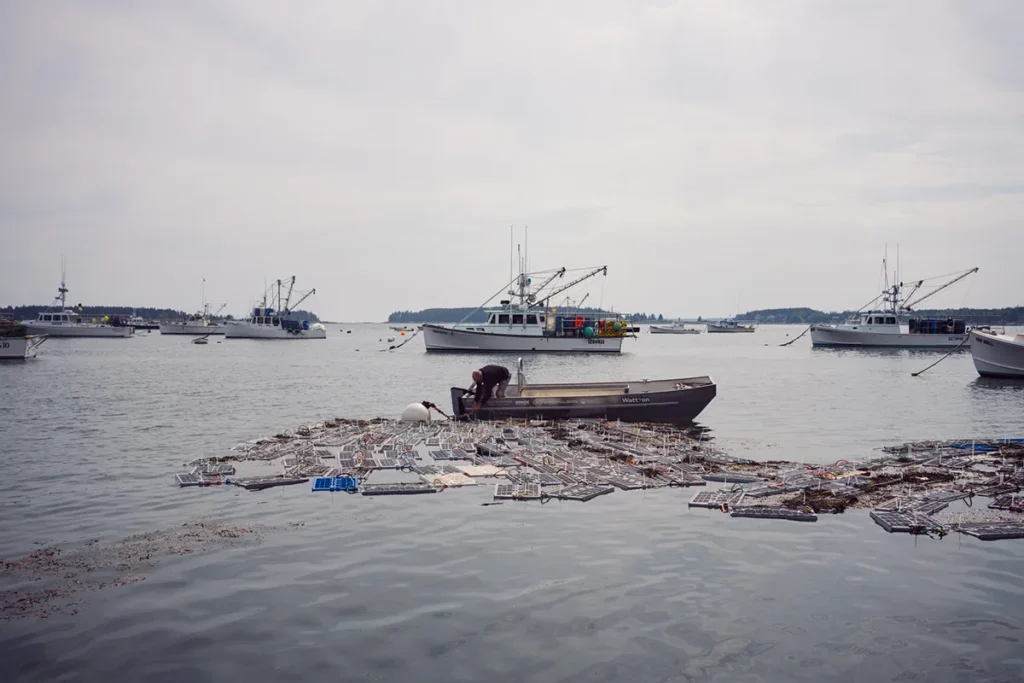
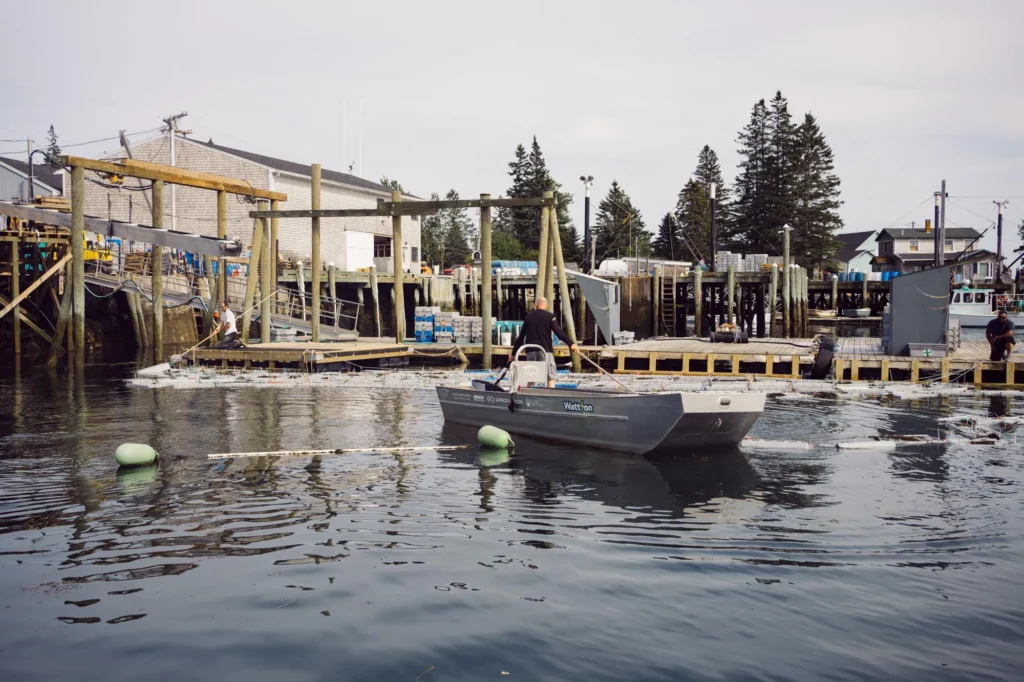
The Spruce Head Fisherman’s Co-op’s all-electric skiff, named Wattson, is a 16-foot fabricated hull powered by an ePropulsion X20. Wattson tows heavy chains of lobster crates from moorings to the dock for shipment, along with other near-shore tasks. The project is a collaboration between the Spruce Head Fisherman’s Co-op and Island Institute, with key support from Fogg’s Boatworks, ePropulsion, and Mack Boring & Parts. As an Island Institute demonstration boat, Wattson provides a real-world opportunity to explore how electric propulsion can meet the demands of Maine’s working waterfront. The project helps address key barriers to adoption while identifying where electric boats perform well today, where further improvements are needed, and how the technology can deliver meaningful value to commercial marine businesses.
Panelists
- Lia Morris, Senior Community Development Officer, Island Institute
- Tom Watson, President, ePropulsion USA
- Patrick Fogg, Owner, Fogg’s Boatworks
- Bob Baines, Fisherman, Spruce Head Fisherman’s Co-op
- Moderator: Phoebe Wheeler, Community Development Officer, Island Institute
Photos credit Island Institute
CASE STUDY – ISOBEL
Thursday, October 22, 9 AM
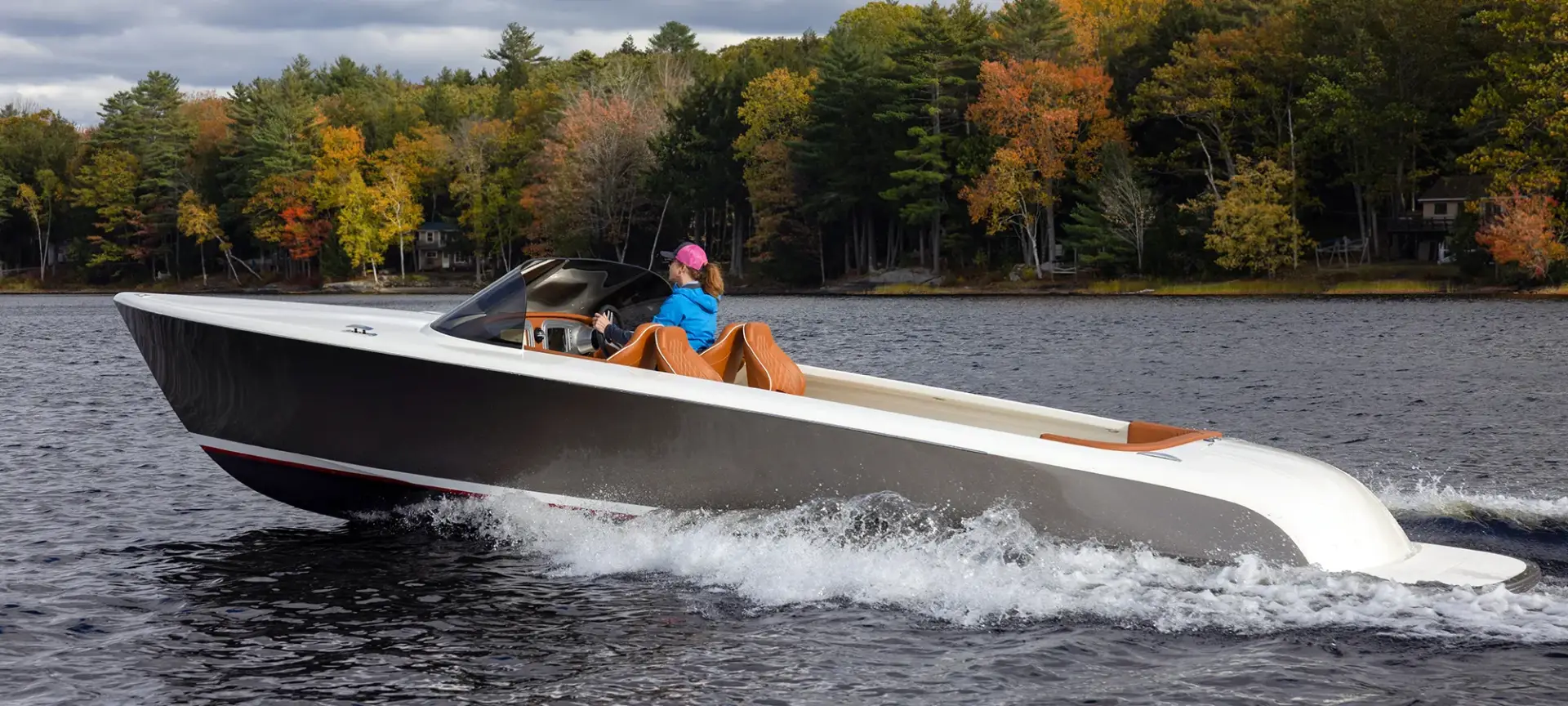
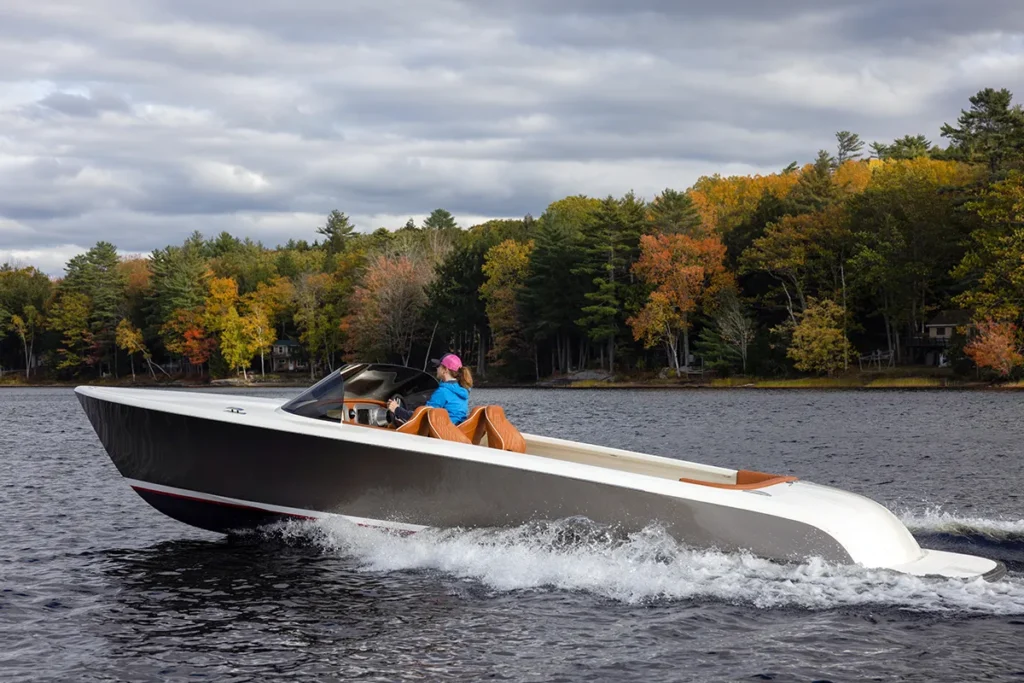
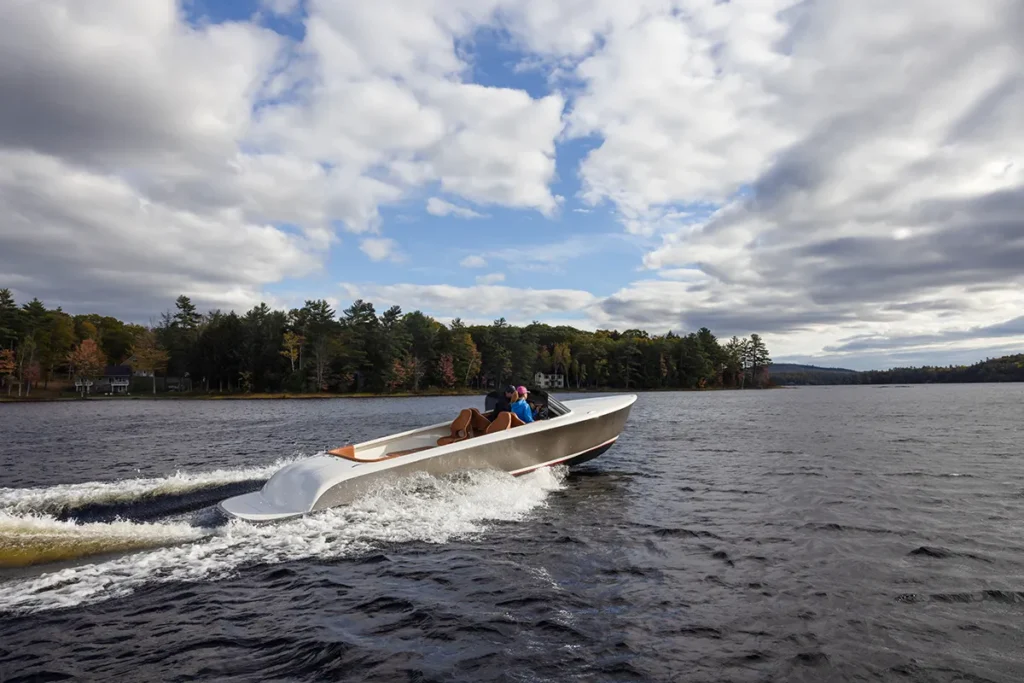
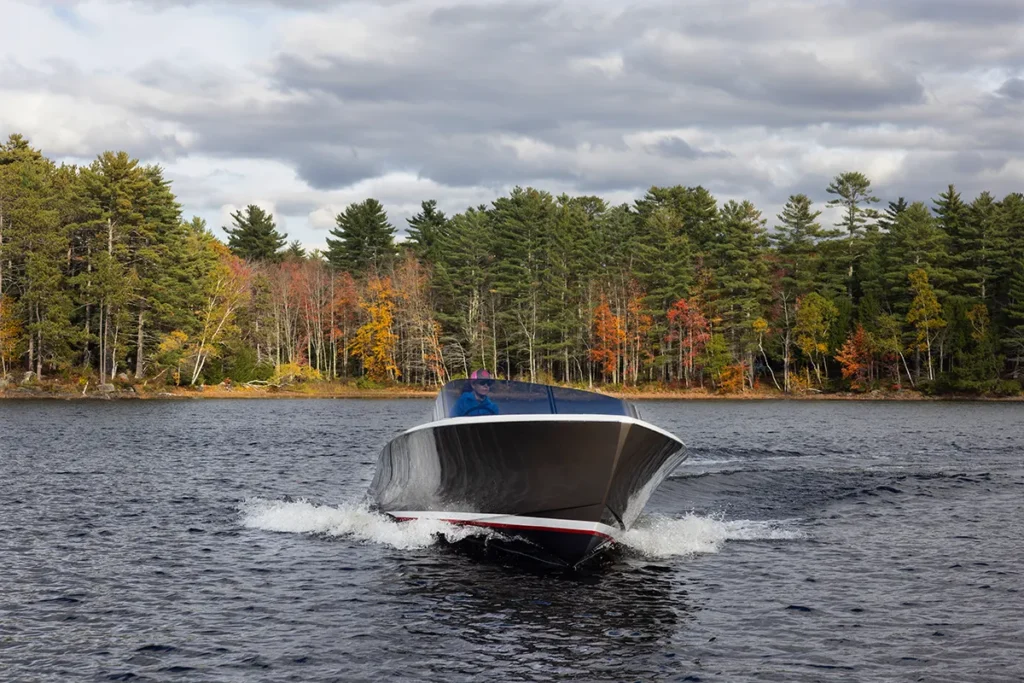
ISOBEL is the product of a long relationship with a discerning, adventurous client, and a happy confluence of operating conditions that supported the use of electric propulsion. First priority for the client was a quiet, clean operating experience—gasoline fumes and rumble were non-starters. A further boost: fuel isn’t available on the lake where the vacation compound was located, and the final win was the very predictable use pattern between a mainland dock and an island on the small Maine lake. Her role is shuttling family to the compound, sunset cruises, and the occasional light water-sports excursion.
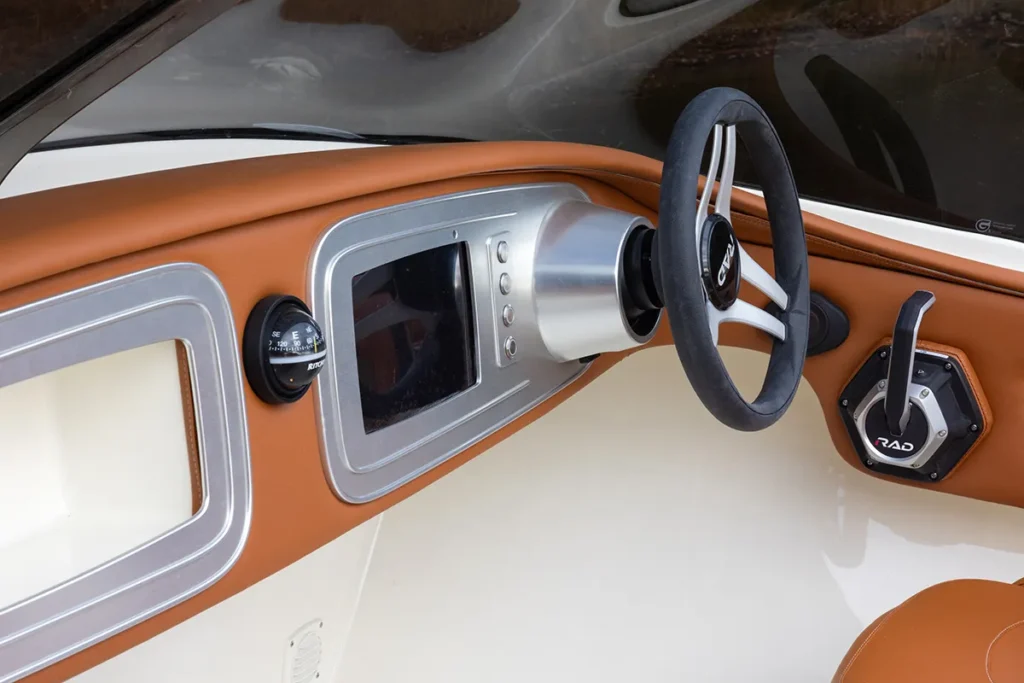
We focused on embracing and refining a mid-century aesthetic, and on creating a hull that relied on well-proven planing-hull design; we concentrated our inventive efforts on lightweight construction. For this one-off build, wood-composite provided a cost-effective build without need for costly molds. Finding the RAD 40 outboard motor was a key step in the evolution of the project—we needed tip-up functionality for launching from a trailer, and low profile for the sleek slipper-stern style.
Panelists
- Robert Stephens, Principal, Stephens Waring Design
- Pete Byford, Chief Technology Officer, RAD Propulsion
- Reid Garrity, Service Manager, Belmont Boatworks
- Dan Miller, Owner, Belmont Boatworks
- Moderator: Aaron Porter, Editor, Professional BoatBuilder magazine
Photos credit Alison Langley
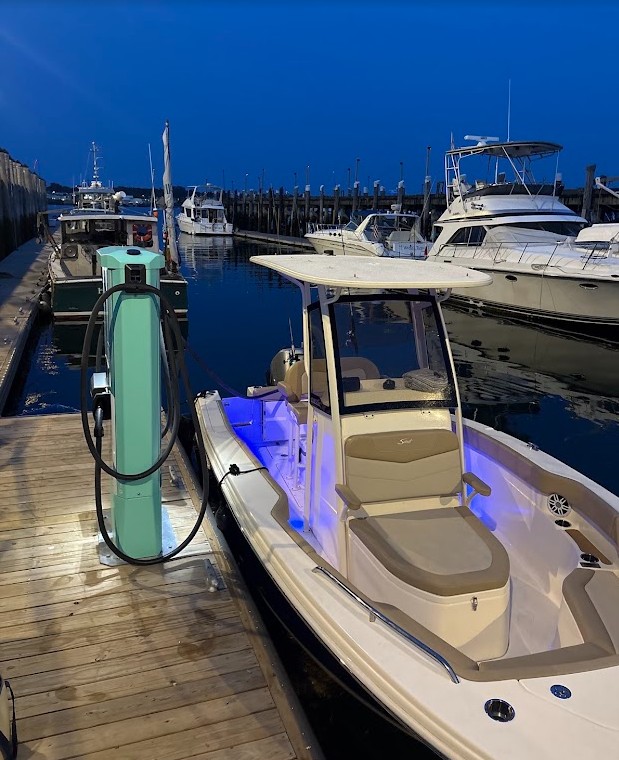
CASE STUDY – CHARGING INFRASTRUCTURE
Thursday, October 22, 3 PM
You’ll have to charge that boat one way or another!
In conversations about vessel electrification, charging is sometimes an afterthought but cannot be overthought. Designing charging infrastructure that scales with growing demand for electrified vessels and bundling charging with sales could make or break adoption and broad acceptance in the marketplace.
Hear from experts in charging infrastructure, system design, and implementation as we hatch this classic chicken/egg problem. We’ll talk about the state of the art in Level 2 and DC fast charging applications for marine vessels, infrastructure policy engagement in Maine, and lessons learned here and throughout the world of marine electrification.
Panelists
- Nigel Watkins, Naval Architect, VITA Power
- Lia Morris, Senior Community Development Officer, The Island Institute
- Willy Leathers, Owner, Maine Ocean Farms
- Moderator: Noah Oppenheim, Principal, Homarus Strategies, LLC
Photo credit Phil Coupe
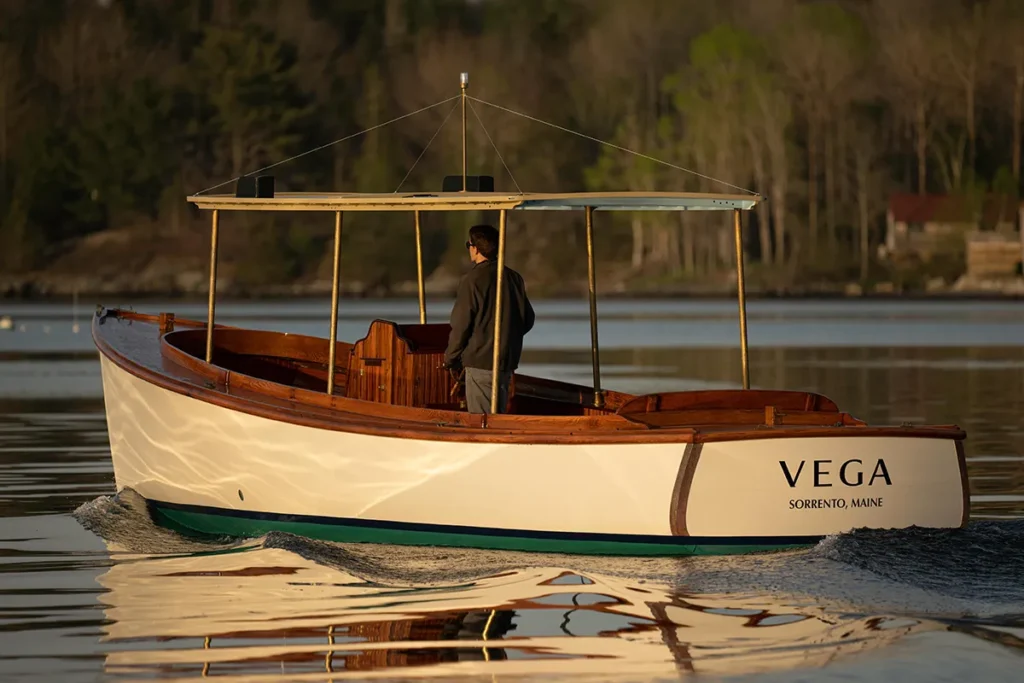
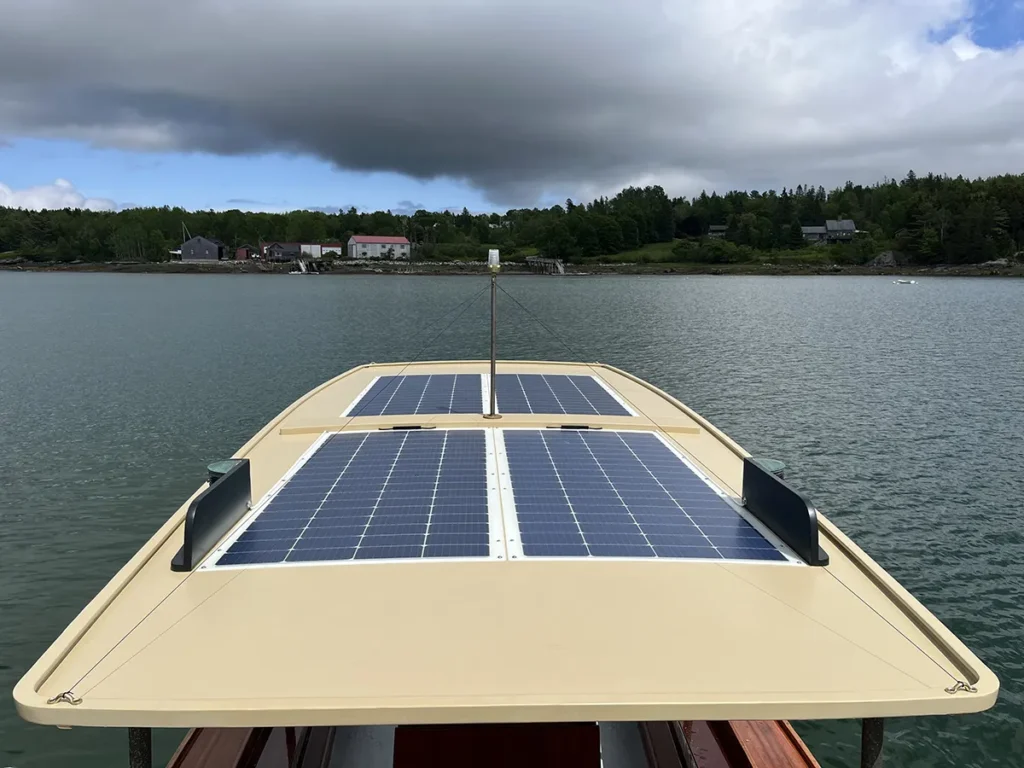
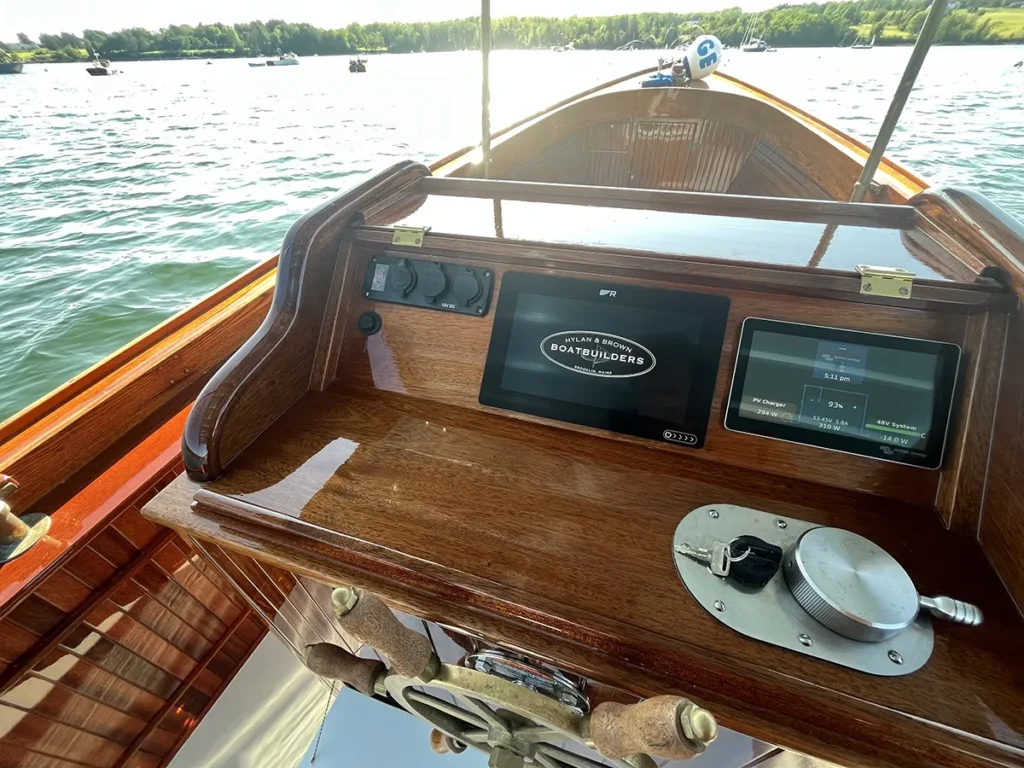
CASE STUDY – ELECTRIC CONVERSIONS
Friday, October 23, 10:30 AM
Hylan & Brown Boatbuilders have done several conversions of classic boats from ICE to electric propulsion over the past few years. These include:
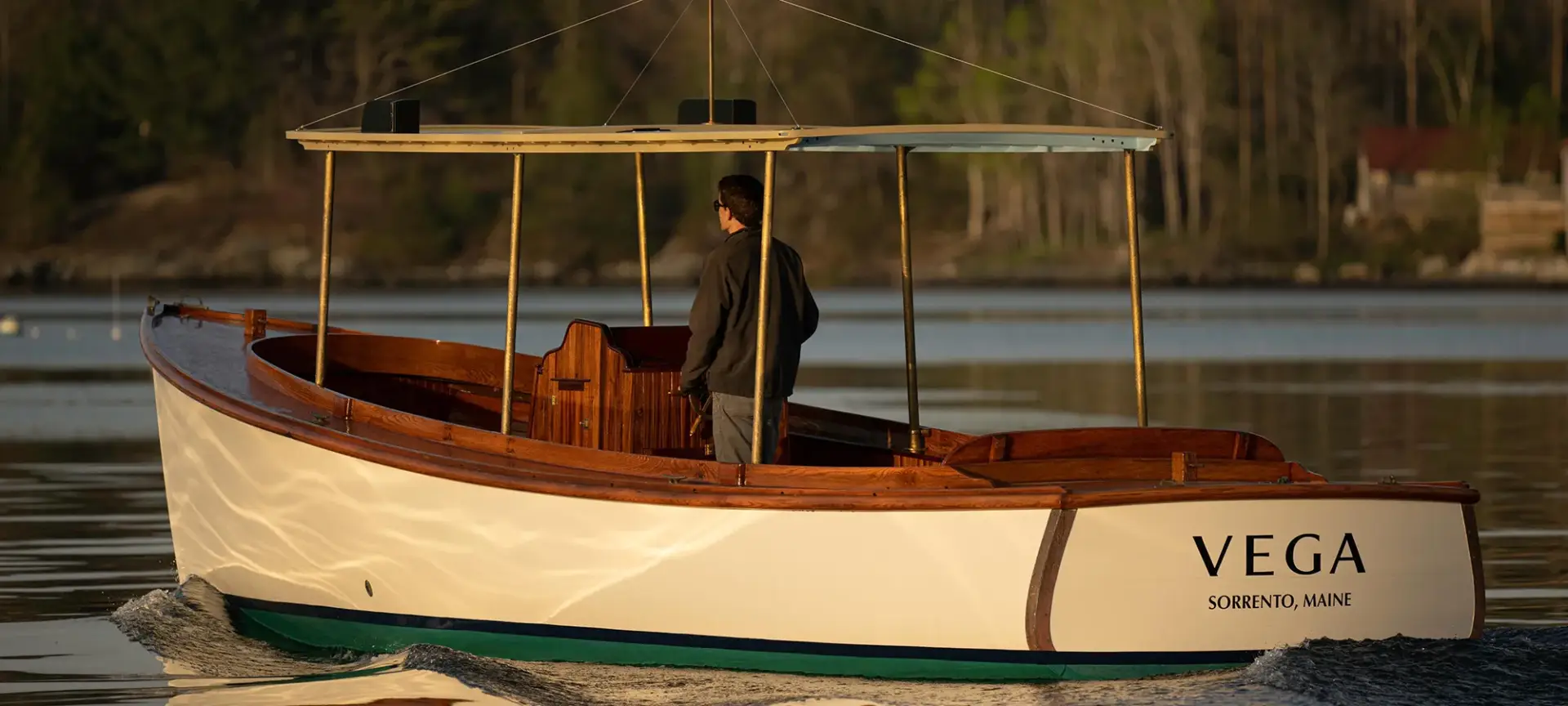
VEGA is a 1935, 35′ Launch with a Victron battery bank and Electric Yacht inboard
FREYA is a 1906, 22′ Faye and Bowen launch with a Victron battery bank and a Rim Drive steerable pod motor
WOMBAT is a 25′ replica of William Hand’s Piute III Launch with an ePropulsion I40
These conversions were both highly successful and very challenging. Most often they require custom systems involving components from multiple manufacturers, some of whom will share the stage with principles from Hylan & Brown for this panel discussion.
Topics will include:
- Suitability of the hull
- Establishing a “use profile”
- Predicting performance
- Selection of equipment
- Charging considerations
- Weight distribution and use of space
- Solar charging
- The importance of extensive sea trialing
- Data display / user interface
- And much more
Panelists
- Moderator: Ellery Brown, President, Hylan & Brown Boatbuilders
- Ben Parson, Designer & Systems Engineer, Hylan & Brown Boatbuilders
- Tom Whitehead, Consultant, Ocean Planet Energy
- Don Eley, Naval Architect, Yacht Engineering Systems
Photos credit Nick Parson
CASE STUDY – Subchapter T Lessons Learned: Firefly & MeVa Transit Ferries
Friday, October 23, 9 AM
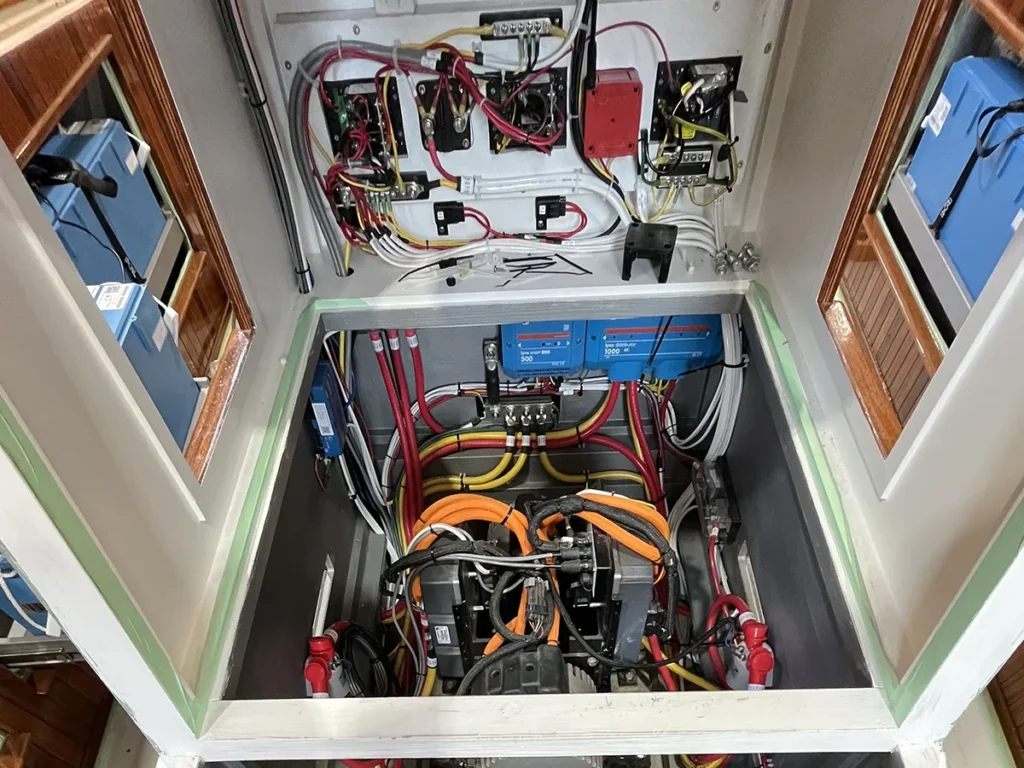
As electric propulsion moves from demonstration boats into passenger service, builders, designers, and regulators are working through new territory together. USCG Subchapter T governs small passenger vessels, and its requirements were written around conventional propulsion. Applying them to lithium-ion battery systems raises new questions about battery installation, thermal runaway protection, ventilation, fire detection and suppression, electrical system design, and stability.
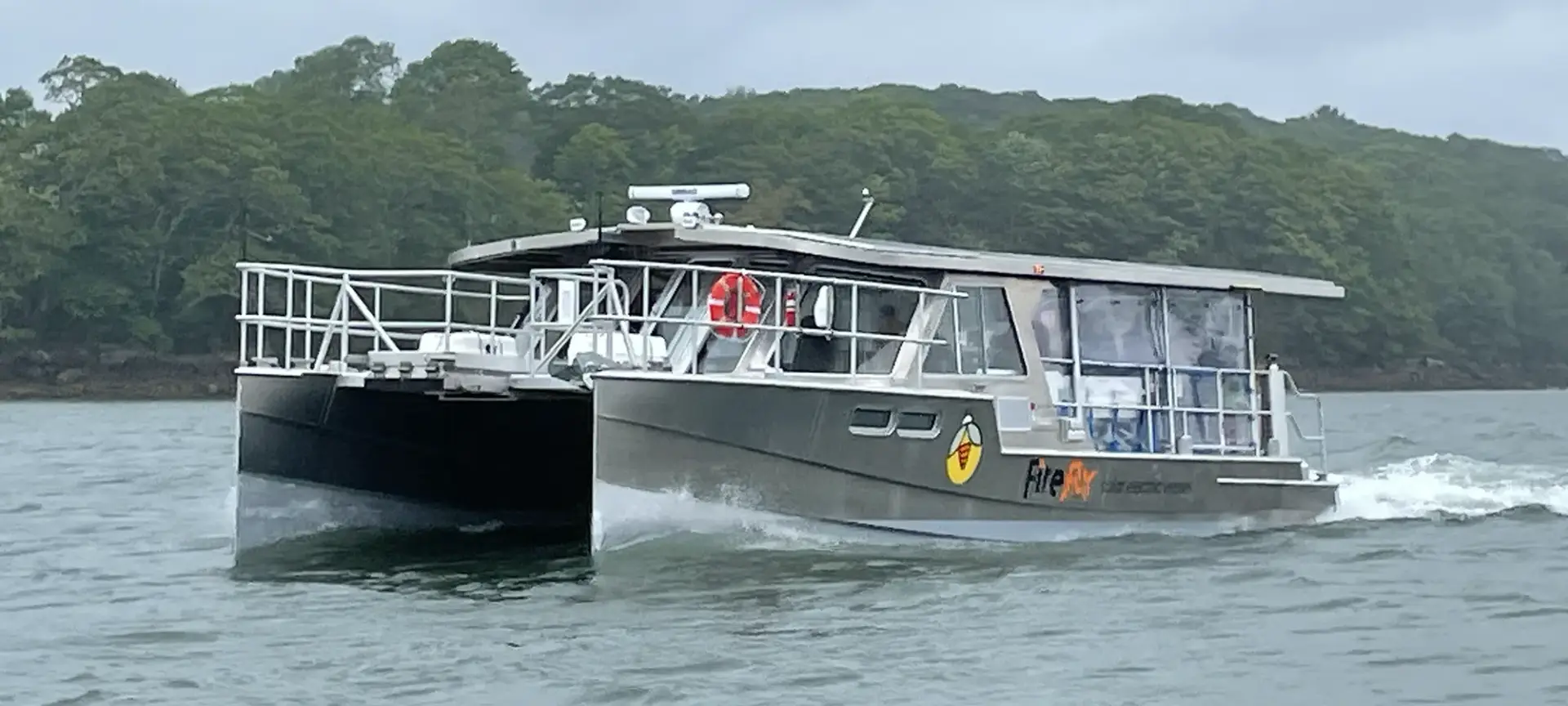
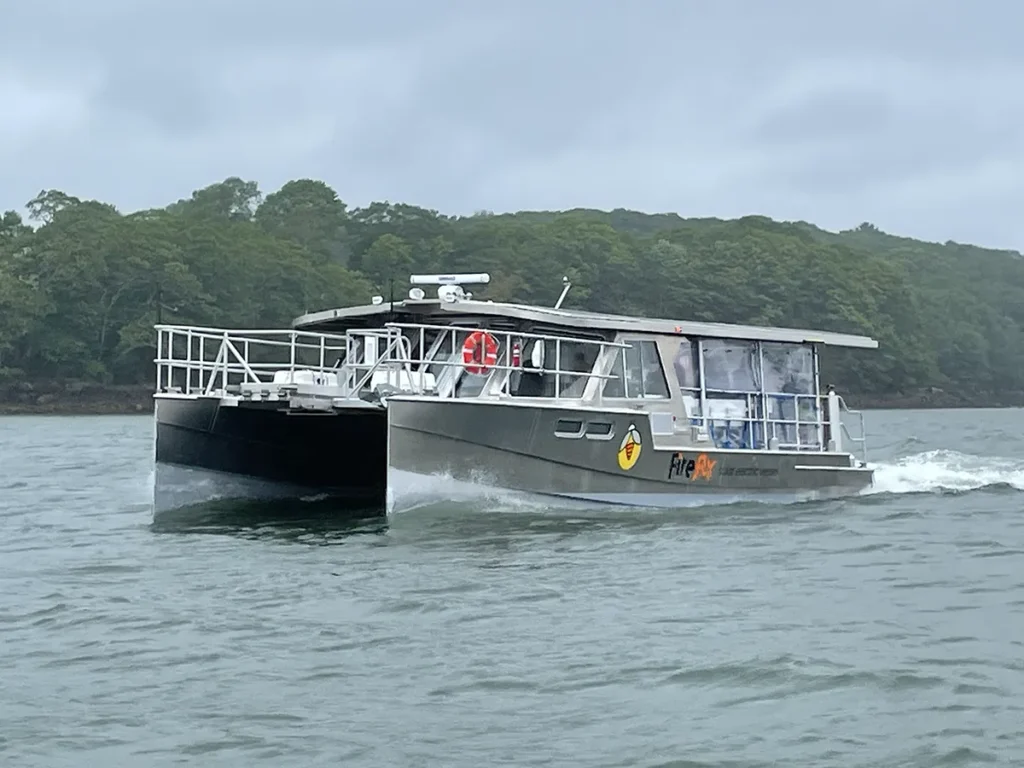
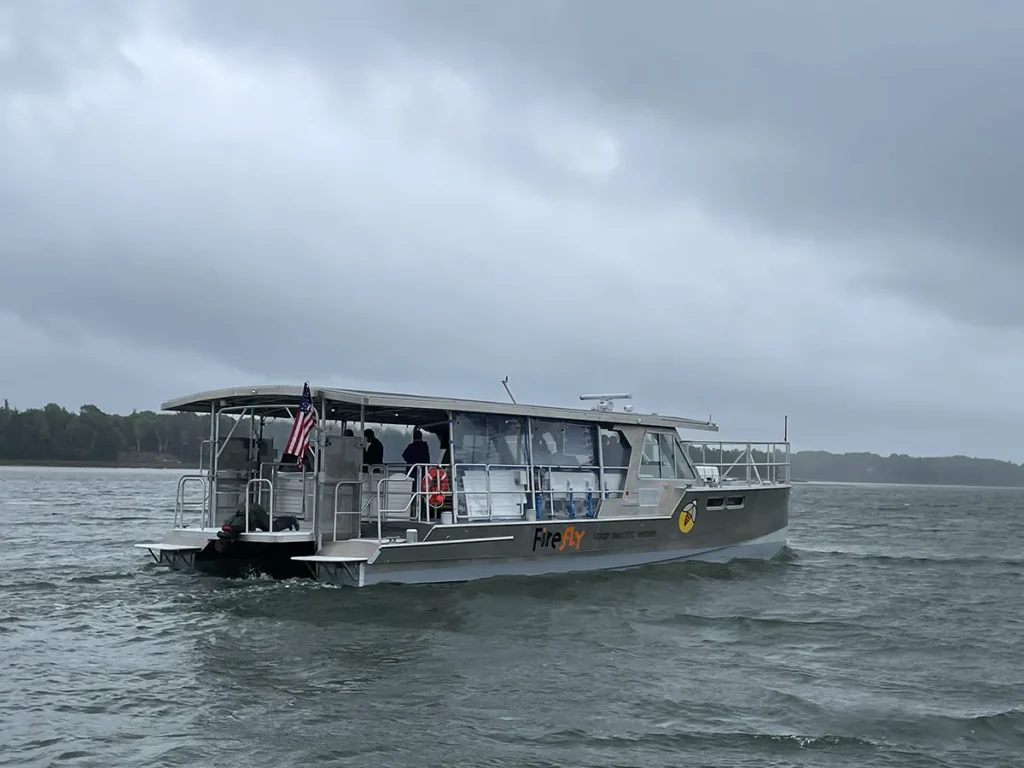
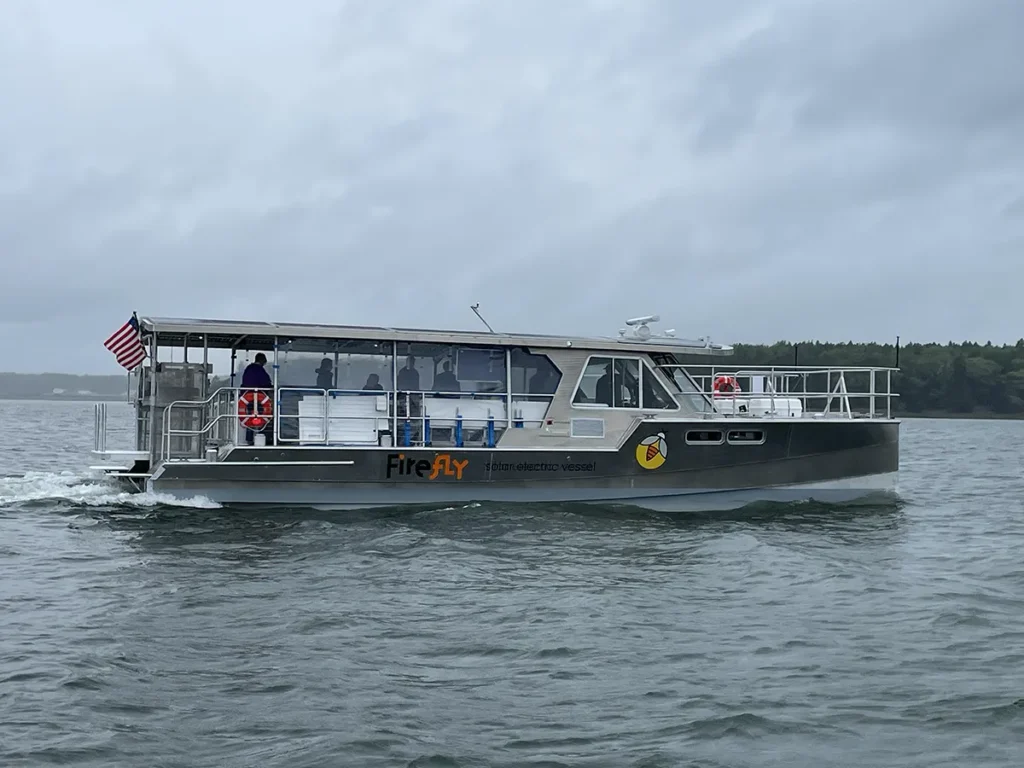
Lyman-Morse has now taken electric vessels through this process. Firefly, a 49-foot all-electric catamaran built for Upstream Alliance, was designed to carry 42 passengers. The company is now building three all-electric transit ferries for MEVA, powered by Evoy Vita propulsion systems. This panel brings together the builder, the propulsion supplier, and the U.S. Coast Guard Marine Safety Center to discuss what they learned from plan review through inspection and sea trials. Topics include what worked, what caused delays, where the regulations and the technology still don’t line up, and what future owners and builders should plan for from the start of a project.
Panelists
- Lance Buchanan, Division Manager, Lyman-Morse
- LT Michael Bishop, Machinery Branch Chief, USCG Marine Safety Center
- Nigel Watkins, Naval Architect, VITA Power
- Moderator: Jonthan Egan, Division Manager, Lyman-Morse
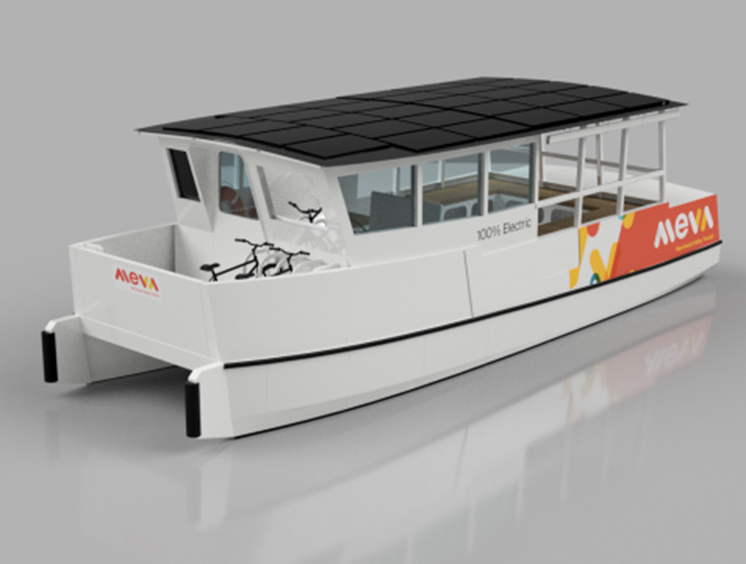
Firefly photos credit Jacob Dinces; MEVA rendering credit Nigel Watkins.
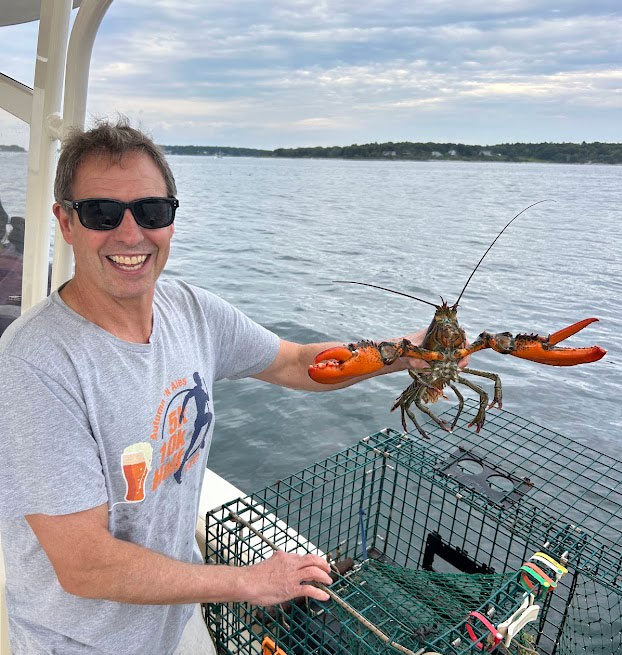
KEYNOTE ADDRESS – Electric Watercraft Are Accelerating the Electrotech Revolution
Thursday, October 22, 4:30 PM
Despite gale-force headwinds in the U.S., an “Electrotech Revolution” is surging ahead globally and even making headway in America as extreme price volatility and supply disruptions unmask the pitfalls of fossil fuel over-reliance. Innovations in hyper-efficient electric technology that can be powered with renewables are charting an energy path forward that is cheaper, cleaner and higher-performing than 200-year-old combustion technology. From container ships to ferries, tugboats, yachts, aquaculture boats, pleasure boats and personal watercraft, marine electrification is projected to become a $20 billion industry over the next five years. From his crow’s nest view of the renewable energy and electrotech sector over the past 20 years, keynote speaker Phil Coupe will share what he is seeing now and over the horizon for one of Maine’s newest economic and environmental opportunities in the growing market for electric boats.
Bio
Phil Coupe’s first job was lobster sternman for $5 a day (cash) at age 11 in Scarborough, Maine. He supplemented that with digging seaworms for a nickel a worm, learning it can be tough to make a living on the coast. After college he was a newspaper reporter in Washington, DC and then became an entrepreneur for social impact, helping two startups make the Inc. 500 list of fastest-growing companies in America that are still going strong today. After moving back to Maine he co-founded ReVision Energy, a northern New England clean energy company that specializes in solar, battery storage, heat pumps and EV charging infrastructure. In 2015 the company became a B Corp and in 2017 converted to 100% employee ownership and was recently named the #1 solar company in New England and #5 nationally. With a mission to make life better by building a just and equitable electric future, ReVision has built more than 20,000 clean energy projects in northern New England and currently has 415 co-owners working out of its six decarbonization facilities in Maine, New Hampshire and Massachusetts. He lives in southern Maine with his family and surfing Chihuahua named Kodak.

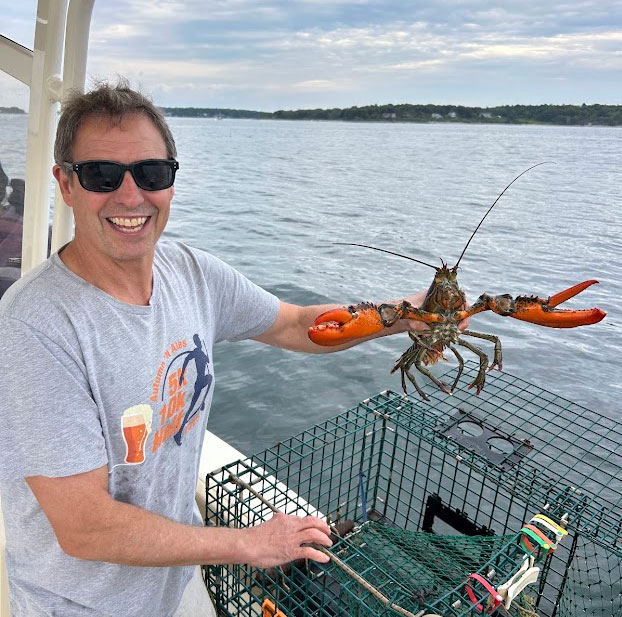
Photos credit Phil Coupe
Preliminary
Agenda
7:30 – 9 AM
Registration & Check-In
9 – 9:30 AM
Welcome
9:30 – 10:30 AM
Case Study #1: ISOBEL
11 AM – 1 PM
Exhibits & Docks Open
12 PM
Grab & Go Lunch
1 – 2 PM
Case Study #2: WATTSON
3 – 4 PM
Case Study #3: Charging Infrastructure
4:30 PM
Keynote Address from Phil Coupe: Electric Watercraft Are Accelerating the Electrotech Revolution
5 – 7 PM
Opening Night Reception, featuring Maine Beer Company & oysters from Maine Ocean Farms
7:30 – 9 AM
Registration & Check-In
9 – 10 AM
Case Study #4: Firefly & MeVa Transit Ferries
10:30 – 11:30 AM
Case Study #5: Electric Conversions
12 PM
Grab & Go Lunch
12 – 3 PM
Boat Demos & Exhibits Open
3 PM
EWCF Closes
Founding Partner

Forum Host
Supported By

Sponsors





Venue
Lyman-Morse
59 Sea Street
Camden, ME 04843
Located on picturesque Camden Harbor, Lyman-Morse and The Wharf will host the EWCF’s exhibition, case study program, and networking events. On-site parking is included with Forum registration.
Share your contact info and be the first to receive updates.
Questions regarding the EWCF or to inquire about participating, please contact Kate Holden.